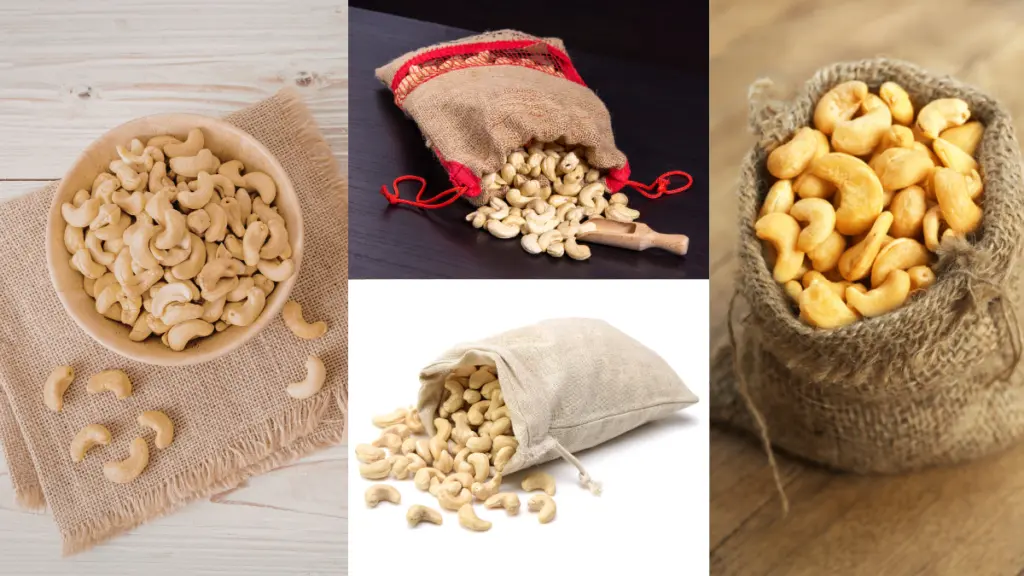
Nigeria has emerged as one of Africa’s most important players in the global cashew trade. With increasing demand from markets such as India, Vietnam, the European Union, and the United States, Nigerian cashew exporters are under growing pressure to meet international quality, safety, and sustainability standards. One critical but often overlooked factor in this process is packaging.
Today, sustainable packaging for cashew exporters is no longer a niche trend—it is becoming a commercial necessity. As a result, more Nigerian traders are turning to jute sacks as a reliable, eco-friendly, and export-compliant solution. This article explores why jute sacks are gaining popularity, how they outperform traditional plastic packaging, and what cashew exporters should consider when choosing the right packaging for global trade.
Nigeria’s Cashew Export Industry: Growth Meets New Challenges
Nigeria is among the top raw cashew producers in Africa, supplying large volumes to international processors and buyers. Cashew exports contribute significantly to foreign exchange earnings and rural livelihoods. However, rapid growth in export volumes has also exposed several challenges—especially in storage and transportation.
As Nigerian cashew exporters scale up, they face issues such as:
- Maintaining nut quality during long sea shipments
- Preventing moisture damage and mold growth
- Meeting stricter buyer and regulatory requirements
Packaging plays a central role in addressing these challenges, and choosing export packaging is more important than ever.
Why Packaging Matters in Cashew Exports
Cashew nuts are highly sensitive to moisture and poor ventilation. Inadequate packaging can lead to:
- Quality deterioration during transit
- Mold contamination and unpleasant odors
- Weight loss and breakage
- Shipment rejection by international buyers
For exporters, these risks translate into financial losses and damaged buyer relationships. High-quality, export-grade packaging is essential to preserve product integrity fromIsh between origin and destination.
This is why cashew export packaging in Nigeria is increasingly being evaluated not just on cost, but on performance and compliance.
Global Buyer Expectations Are Changing
International buyers—particularly in Europe and North America—are becoming more selective about packaging materials. Sustainability, once a “nice-to-have,” is now a core requirement.
Key buyer-driven trends include:
- Preference for biodegradable and plastic-free packaging
- Alignment with ESG (Environmental, Social, and Governance) standards
- Reduced plastic usage across supply chains
- Transparent, responsible sourcing practices
Many buyers now expect exporters to demonstrate sustainability not only in production, but also in packaging. This shift has accelerated the adoption of eco-friendly cashew packaging, with jute sacks emerging as a preferred option.
What Are Jute Sacks? A Natural Packaging Solution
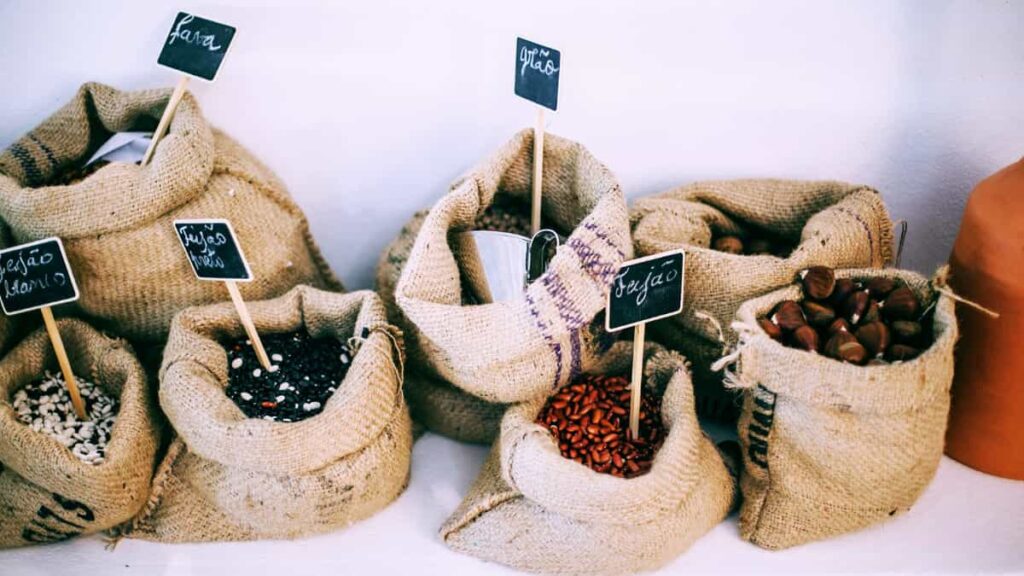
Jute is a natural fiber derived from plant sources and widely used in agricultural packaging. Jute sacks for cashew export are designed to meet the demands of bulk handling, storage, and international shipping.
Key features of jute sacks include:
- High breathability, allowing air circulation
- Strong tensile strength for heavy loads (50–100 kg)
- Biodegradable and environmentally friendly
- Suitable for long-distance sea freight
These characteristics make jute sacks especially effective for cashew nuts, which require dry, well-ventilated storage conditions throughout the export journey.
Jute Sacks vs Plastic (PP) Bags: A Clear Comparison
Many Nigerian cashew traders traditionally relied on polypropylene (PP) bags due to their low upfront cost. However, a closer comparison reveals why jute sacks are becoming the smarter long-term choice.
Jute sacks vs plastic bags for cashew packaging:
- Moisture control:
Jute sacks are breathable, reducing condensation. Plastic bags trap moisture, increasing mold risk. - Environmental impact:
Jute is biodegradable and renewable, while plastic contributes to long-term pollution. - Buyer acceptance:
International buyers increasingly favor jute over plastic. - Reusability:
Jute sacks can be reused and recycled; plastic bags are often single-use. - Overall cost efficiency:
While jute sacks may have a slightly higher initial cost, reduced spoilage and better buyer acceptance make them more cost-effective over time.
Why Nigerian Cashew Traders Are Switching to Jute Sacks
The shift toward jute packaging among Nigerian cashew exporters is driven by both practical and commercial benefits.
Key reasons include:
- Improved protection of cashew quality during shipping
- Fewer buyer complaints related to moisture and spoilage
- Better alignment with international sustainability standards
- Enhanced brand image and exporter credibility
- Increased competitiveness in export tenders and contracts
For many exporters, jute sacks are no longer just an eco-friendly choice—they are a strategic business decision.
Environmental and Economic Benefits of Jute Packaging
Beyond performance, jute sacks offer strong environmental and economic advantages.
Environmental benefits:
- Made from renewable natural fibers
- Fully biodegradable and compostable
- Help reduce plastic waste in global trade
Economic benefits:
- Durable and reusable across multiple shipments
- Lower long-term packaging costs
- Reduced losses from damaged or rejected shipments
For Nigerian exporters aiming to build long-term relationships with premium buyers, sustainable packaging adds measurable value.
How to Choose the Right Jute Sacks for Cashew Export
Not all jute sacks are the same. Choosing the right specification is essential for export success.
When selecting export-quality jute bags for cashew nuts, consider:
- GSM and fabric weight for durability
- Load capacity (commonly 50 kg, 80 kg, or 100 kg)
- Laminated vs non-laminated options depending on humidity exposure
- Food-grade and export compliance standards
- Custom printing for branding and traceability
Working with a reliable supplier ensures consistency, quality, and compliance with buyer expectations.
Future Outlook: Sustainable Packaging as a Competitive Advantage
The future of cashew exports—both in Nigeria and globally—is closely tied to sustainability. As regulations tighten and buyer expectations rise, exporters who adopt sustainable packaging early will enjoy a clear competitive advantage.
Jute sacks are well-positioned to remain a preferred packaging solution due to their balance of performance, cost efficiency, and environmental responsibility. For Nigerian traders, investing in sustainable packaging is an investment in future market access and long-term profitability.
Conclusion: Jute Sacks Are More Than Packaging—They’re a Smart Export Investment
Sustainable packaging for cashew exporters is no longer optional. Nigerian traders are increasingly turning to jute sacks because they protect product quality, meet international buyer requirements, and support environmentally responsible trade.
By switching from plastic to jute sacks, cashew exporters can:
- Reduce quality risks
- Strengthen buyer confidence
- Enhance brand reputation
- Stay competitive in global markets
If you are a cashew exporter or trader looking to upgrade your export packaging, now is the time to consider export-grade jute sacks. Partner with a trusted supplier, choose the right specifications, and position your business for sustainable growth in the global cashew trade.